Blog
News and Articles
Latest medical news, useful tips and glimpses from our center's life.
Article
21 Jan, 2026
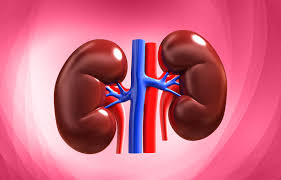
DIET AND KIDNEY STONES
Can I help prevent kidney stones by changing what I eat or drink?Drinking enough fluids, mostly water, is the most important thing you can do to prevent kidney stones. If you do not have kidney failure, many health professionals recommend that you drink six to eight glasses of water a day. Studies show that dietary approaches to stop hypertension can reduce the risk of kidney stones. Studies show that being overweight increases the risk of kidney stones. increases. Does the type of kidney stone I have affect the food choices I should make?Yes. If you've already had kidney stones, ask your doctor what type of kidney stone you have. Depending on the type of kidney stone you have, you will need to know how much sodium, calcium, protein, or oxalate should be in the food you eat.Depending on the type of kidney stone below, you may need to monitor what you eat or drink with the help of a doctor or dietician:Calcium Oxalate StonesCalcium Phosphate stones Uric acid stones Cystine stones
Read more
Article
21 Jan, 2026
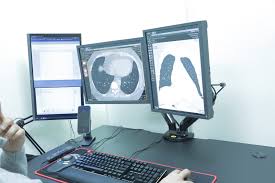
HOW OFTEN CAN A CT SCAN BE PERFORMED?
The explosions of atomic bombs in Hiroshima and Nagasaki and the accident in Chernobyl clearly showed the serious health consequences of ionizing radiation.Consequences of exposure to ionizing radiation can appear immediately when the threshold value is exceeded (acute radiation syndrome) or can be delayed and occur with the gradual accumulation of radiation doses over time (carcinogenesis).per 100 mSv Because equal radiation exposure can cause cancer-related death in 1/100,000 patients, the International Atomic Energy Association (IAEA) has set the following limits:▶ 50 mSv per year for total body exposure (or 20 mSv annually for 5 years)▶ 500 mSv for single organ irradiationSuffering from urolithiasis radiation exposure during examination of patients:☑ Standard CT 10 mSv,☑ Low-dose CT ~3 mSv,☑ General radiography 0.7 mSv☑ urography 2.1-3 mSv☑ Ultrasound - 0 mSvHow to determine the received radiation dose?Each modern X-ray machine or computer tomography has a built-in dosimeter and displays the number of mSv received immediately after the study. This indicator should be recorded in the study protocol.What is the best way to identify stones?The "gold standard" for the diagnosis of ICD is low-dose tomography (CT) Its sensitivity is about 93.1% and specificity is about 96.6%.The sensitivity and specificity of X-ray and ultrasound are much lower (respectively 44-77% and 45-94%) :)The sensitivity of ultrasound and X-rays is even lower for small stones:⏺ Ultrasound examination does not poorly show stones smaller than 3 mm, because such particles may not create an acoustic shadow, and the doctor must differentiate between echogenic renal sinus fat and stone particles. ⏺ Ultrasound overestimates stone size in 50% of cases compared to CT⏺ X-rays underestimate (underestimate) stone size.Therefore, low-dose CT remains the only way to evaluate small stones:What is low-dose renal CT?This is a scanning mode aimed at detecting stones in the urinary system. Because stones have very different x-ray properties than body tissues, lower-powered scanners have become possible.With a low-dose CT scan, the radiologist only images the presence of stones and not other structures.Low-dose CT uses 30 milliamperes (mA) of current instead of the 100 mA of standard protocols.The scan takes only 10-15 seconds.All of this results in reduced radiation exposure without loss of sensitivity or specificity in the diagnosis of urolithiasis.The main disadvantages of low-dose CT protocols are body mass index > 30 kg / m2 is considered a decrease in sensitivity.Normal BMI from 18.5 to 25A person with a BMI from 25 to 30 is overweight (before obesity)Obese people have a BMI > will be 30 kg/m2.To calculate the body mass index, you need to divide your body weight in kilograms by the square of your height in meters.For example, a person weighs 77 kg and is 170 cm tall.Therefore, in this case, BMI is equal to: BMI = 77: (1.70 × 1.70) ≈ 26.64 kg / m².So, the official According to the standard protocol, a patient with stone formation can undergo 15 low-dose CT scans or 5 CT scans per year.The radiation dose received by the patient (and the doctor) during surgery should not be neglected❗In addition, the results of surveys of foreign endourologists show that the level of knowledge and understanding of mechanisms, harm and safe limits is not clear. (Lazaros Tzelves, Knowledge of radiation exposure and adherence to protective equipment: where are the endourologists? ESUT/EULIS survey, 2020).
Read more
Article
21 Jan, 2026
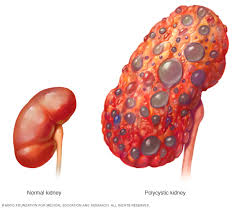
WHAT IS CHRONIC KIDNEY DISEASE?
Chronic kidney disease (CKD) means that your kidneys are damaged and cannot filter the blood properly. The disease is called "chronic" because the damage to your kidneys happens gradually over a long period of time. This damage can cause waste to build up in your body. SBK can also cause other health problems.The main job of the kidneys is to filter extra water and waste from your blood to make urine. The kidneys balance salts and minerals such as calcium, phosphorus, sodium and potassium circulating in the blood in order for the body to function properly. Your kidneys also make hormones that help control blood pressure, produce red blood cells, and keep your bones strong.Kidney disease often gets worse over time and can lead to kidney failure. If your kidneys fail, you'll need dialysis or a kidney transplant to keep you healthy.The sooner you know you have kidney disease, the sooner you can make changes to protect your kidneys.
Read more
Article
21 Jan, 2026
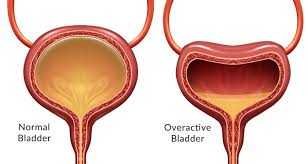
WHAT IS OVERACTIVE BLADDER?
OVERACTIVE BLADDER (OAB-OVERACTIVE BLADDER) What is it?Overactive bladder is the name of a group of bladder symptoms. There are three main symptoms:Feeling that you need to urinate,The need to urinate often (frequently), usually day and night (nocturia).Sometimes incontinence, which is urine leakage. With an overactive bladder, you have to empty your bladder. you feel you need - even if it's not complete. You feel the urge to urinate again even though you have just passed urine. You cannot control or ignore this feeling and it happens to you more than it should. Sometimes when urinating, the bladder muscle may feel like it is contracting to empty the bladder, but the muscle may not actually be contracting. If you feel like you "need to go" eight or more times a day and night, or you are afraid of leaking urine, you may have an OVERACTIVE BLADDER.SYMPTOMS:Urgency: This is the main symptom of an OVERACTIVE BLADDER. This is a strong (urgent) need to urinate that cannot be ignored. When people with this disease feel "I want to pee" if a toilet cannot be found immediately, they are afraid of leaking urine. Urine Leakage: Sometimes an ACTIVE BLADDER causes urine to leak before going to the toilet. This is called urge incontinence. Some people may have a few drops, while others may have a sudden leak.Urine frequency: AN OVERACTIVE BLADDER can cause people to go to the bathroom many times during the day. Experts say frequent urination is having to urinate more than eight times in 24 hours.Waking up to urinate at night: AN ACTIVE BLADDER can wake a person up to urinate several times a night. This is called nocturia.An OVERACTIVE BLADDER has no pain. If you experience pain when urinating, you may have another problem, a urinary tract infection (UTI). TREATMENTThere are several things you can do to manage an OVERACTIVE BLADDER. Since every human body is different, it is necessary to try different experiences. You may try one or more treatments at the same time. Treatments for OVERACTIVE BLADDER include:Lifestyle changes;Prescription medications;Bladder Botox treatment;Nerve stimulation (peripheral and central)Surgery
Read more
Article
21 Jan, 2026
WHAT ARE THE SIGNS OF CHRONIC KIDNEY DISEASE (CKD)?
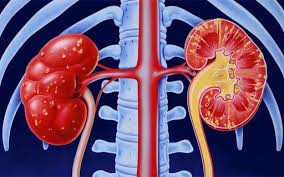
Early Chronic Kidney Disease (CKD) may have no symptoms.You may be wondering how you can get CKD and feel better. Our kidneys have more capacity to do their job than is necessary to keep us healthy. For example, you can donate one kidney and still be healthy. You can have kidney damage without any symptoms because despite the damage, your kidneys are still working well enough to keep you feeling well. For many people, the only way to know if you have kidney disease is to check your kidneys with blood and urine tests.As kidney disease progresses, a person may develop swelling. If the kidneys cannot get rid of excess fluid and salt, swelling occurs. Swelling can appear on the feet or ankles, less often on the hands or face.Symptoms of advanced SBK:chest pain;dry skin;itching or numbness;feeling tired;head. pain; increased or decreased urination; loss of appetite; muscle cramps; nausea; shortness of breath; sleep problems; concentration problems trouble;vomiting;weight loss.People with SBK may also develop anemia, bone disease, and malnutrition.
Read more
Article
21 Jan, 2026
ABOUT KIDNEY FUNCTION
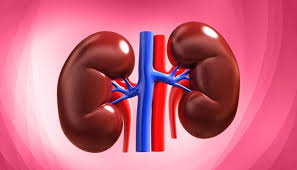
Humans are born with two kidneys, each about the size of an adult's fist, on either side of the spine below the rib cage. Although small, your kidneys perform many complex and vital functions that keep the rest of your body in balance. Kidneys:Help remove excess fluid and waste from your body; Filter your blood, store some compounds, and remove excess; Red helps make blood cells; Balances important vitamins and minerals; Helps maintain your blood pressure; Keeps bones healthy.
Read more
Article
21 Jan, 2026
YOUR KIDNEYS AND HOW THEY WORK?
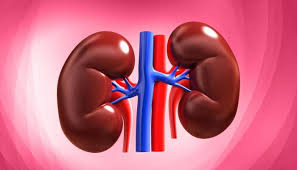
Kidneys are two bean-shaped organs, each about the size of a fist. They are located under the ribs on either side of the spine.Healthy kidneys filter half a cup of blood every minute, removing waste and excess water to make urine. Urine flows from the kidneys to the bladder through two thin muscular tubes called the ureters, located on either side of the bladder. The bladder stores urine. The kidneys, ureters, and bladder are part of the urinary tract. How do the kidneys work?Each kidney is made up of about a million filtering units called nephrons. Each nephron consists of a glomerulus and a tubule and includes filtration. Nephrons work through a two-step process: the glomerulus filters your blood, and the tubule returns nutrients to your blood and removes waste.Glomerula Filters Your BloodAs blood flows into each nephron, it enters a cluster of tiny blood vessels called glomeruli. The thin walls of the glomerulus allow smaller molecules, wastes, and fluid—mainly water—to pass into the tube. Larger molecules, such as proteins and blood cells, remain in the blood vessel.The tube returns nutrients to your blood and removes waste productsA blood vessel travels along with the tube. As the filtered fluid moves through the tubule, the blood vessel reabsorbs almost all of the water, as well as the minerals and nutrients your body needs. The tubule helps remove excess acid from the blood. The remaining fluid and waste in the tubes becomes urine.
Read more
Article
21 Jan, 2026
URINALYSIS
✳️ Leukocytes (sign of inflammation)Other signs of inflammation:presence of bacteria;"+" nitrite test;"+" leukocyte esterase;pH> 6.5.If there are no indications for treatment, antibiotics should be prescribed only after additional examination: urinalysis and ultrasound examination of the kidneys. The formation of coral stones is caused by bacteria that alkalinize urine with urease enzyme. does not❗It is not unusual for such patients to undergo ultrasound examination of the kidneys after six months of antibiotics, which have a temporary effect.👉 Bacteriological laboratory should be located in the building of urine collection👉 Urine should be given directly to the laboratory, from the middle part✳️ Erythrocytes: oncopathological signs, only (ICD, trauma, glomerulonephritis, etc.) not "Modified" erythrocytes - from the upper urinary tract (kidneys, ureters)"Unmodified" - from the lower.Remember the rules of urine collection:👉 Remember that red blood cells usually appear after vigorous physical activity, especially running and similar physical activity) 🏃♀️🏃♂️➡️👉 It is not uncommon for red blood cells to appear in the urine of patients taking anticoagulants after a stroke and heart attack, after valve replacement, rhythm disorders, etc.👉 Remember that in 50% of cases, the cause of the appearance of red blood cells in the urine remains unclear.However, when red blood cells appear in the urine, the most important thing is to rule out oncopathology and other serious causes, such as stones in the kidney and urinary tract. collection).✳️ Protein in the urine:It should be evaluated when there are no large number of cells (leukocytes and erythrocytes) in the urine.Isolated proteinuria is a sign of kidney glomeruli damage.More accurate information is given by the daily proteinuria or albumin-creatinine ratio in the urine✳️ BLOOD TEST: CreatinineCreatinine is formed from creatine in the muscles is a substance.Almost all creatinine is excreted by the kidneys, so its concentration in the blood is a good indicator of their activity.The amount of creatinine produced depends on the total body weight and muscle mass. Its weight and structure are different in men, women and children.Nephrologists pay attention to the more accurate indicator "glomerular filtration rate (GFR)".It can be obtained using various methods, the simplest of which is based on the level of creatinine in the blood, taking into account the patient's age and gender.✴️ Ultrasound examination of the kidney and bladderIn most cases, it is convenient and safe to provide comprehensive information about the condition of the kidneys. research.
Read more