Blog
News and Articles
Latest medical news, useful tips and glimpses from our center's life.

Article
23 Jan, 2026
Innovative Urology Treatments
Latest news and innovative procedures in urology.
Read more

Article
21 Jan, 2026
Secrets of Men's Health
Recommendations for a healthy lifestyle and maintaining men's health.
Read more
Article
21 Jan, 2026
Laser Technologies in Modern Urology
Advantages and efficiency of surgical operations using a laser.
Read more

Article
21 Jan, 2026
Prevention of Kidney Stones
Detailed information on the causes of kidney stones and ways to prevent them.
Read more
Article
21 Jan, 2026
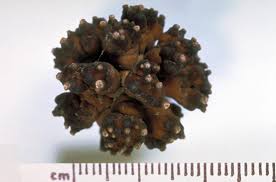
CALCIUM OXALATE STONES
Calcium Oxalate StonesIf you have calcium oxalate stones, you may want to avoid these foods to help reduce the amount of oxalate in your urine:Walnuts and walnuts productspeanuts root spinachwheat branTalk to a health professional about other food sources of oxalate and how much oxalate should be in what you eat talk.Reduce sodiumIf you eat more sodium, you are more likely to develop kidney stones. Sodium is part of salt. Sodium is found in many canned, packaged and fast foods. It is also found in many spices, and meats.Talk to your health care professional about how much sodium you should have in your diet. Limit animal proteinEating animal protein can increase your risk of kidney stones.Your health care professional may advise you to limit your intake of animal protein, including might say:beef, chicken, and pork, especially organ meatseggsfish and shellfishmilk, cheese, and other dairy productsAlthough you should limit how much animal protein you eat each day, you still need to make sure you're getting enough protein. Consider replacing some of the meat and animal protein you normally eat with beans, dried peas, and lentils.
Read more
Article
21 Jan, 2026
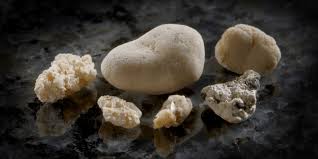
CALCIUM PHOSPHATE STONES
Reduce sodiumIf you eat more sodium, you are more likely to develop kidney stones. Sodium is part of salt. Sodium is found in many canned, packaged and fast foods. It's also found in many spices, seasonings, and meats.Talk to a health care professional about how much sodium you should be getting in your diet. See tips for reducing your sodium intake.Limit animal proteinEating animal protein can increase your risk of kidney stones.A health care professional may tell you to limit the amount of animal protein you eat:beef, chicken , pork,eggs,fish and crustaceans,milk, cheese and other dairy productsAlthough you should limit your daily intake of animal protein, you still need to make sure you get enough protein. Consider replacing some of the meat and animal protein you normally eat with protein-rich plant-based foods:beans, dried peas, legumes such as lentils and peanutssoy foods such as soy milk, soybean oil and tofunuts and nut products such as almonds and almond butter, cashews and cashew butter, walnuts and pistachiossunflower seedsDiscuss with your health care professional how much total protein to eat and how much from animal or plant-based foods talk about what you should take.Get enough calcium from foods Adequate amounts of calcium can block other substances that can lead to stones in the gastrointestinal tract. Talk to your health care professional about how much calcium you should eat to prevent more calcium phosphate stones and keep your bones strong. It's best to get calcium from plant-based foods, such as calcium-fortified juices, cereals, breads, some vegetables, and some types of beans.
Read more

Article
21 Jan, 2026
MOST COMMON NEUROLOGICAL DISEASES
There are many disorders of the nervous system that require clinical care from a doctor or other health care professional. We will discuss some of them below.What is a stroke?A stroke or brain attack occurs when blood flow to your brain stops. This is an emergency.The brain needs a constant supply of oxygen and nutrients to function well. If the blood supply is interrupted even for a short time, it can cause problems. Brain cells begin to die after a few minutes without blood or oxygen.When brain cells die, brain function is lost. You may not be able to do things controlled by this part of the brain. For example, a stroke can affect your ability to:MoveSpeakEatThink rememberControl your bowels and bladderControl your emotionsControl other vital body functions.Strokes can happen to anyone at any time.What Causes a Stroke? A stroke occurs when blood flow to the brain is interrupted or impaired.Alzheimer's diseaseAlzheimer's disease is the most common form of dementia, affecting 5.2 million Americans over age 65, as well as hundreds of thousands of people under age 65 with early-onset Alzheimer's.Nearly two-thirds of Americans with Alzheimer's disease are women. Alzheimer's disease is diagnosed by ruling out other diseases with similar symptoms, which allows the diagnosis to be made with up to 95 percent accuracy.Unlike other forms of dementia, Alzheimer's does not affect patients' motor function until the late stages of the disease.EpilepsyEpilepsy is a neurological condition involving the brain that causes people to have repeated makes you more prone to seizures. It is one of the most common diseases of the nervous system and affects people of all ages, races and ethnicities. Nearly 2.2 million Americans live with epilepsy.Anything that disrupts the normal connections between nerve cells in the brain can cause seizures. This includes high fever, low blood sugar, high blood sugar, alcohol or drug use, or concussion. Anyone with this condition can have one or more seizures. However, when a person has two or more seizures, he is considered to have epilepsy. Epilepsy can have many causes, including imbalances in nerve-signaling chemicals called neurotransmitters, tumors, strokes, brain damage from disease or injury, or some combination of these. In most cases, no cause can be found for epilepsy.
Read more
Article
21 Jan, 2026
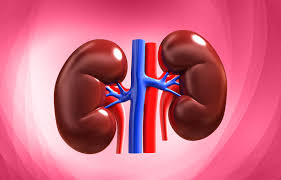
DIET AND KIDNEY STONES
Can I help prevent kidney stones by changing what I eat or drink?Drinking enough fluids, mostly water, is the most important thing you can do to prevent kidney stones. If you do not have kidney failure, many health professionals recommend that you drink six to eight glasses of water a day. Studies show that dietary approaches to stop hypertension can reduce the risk of kidney stones. Studies show that being overweight increases the risk of kidney stones. increases. Does the type of kidney stone I have affect the food choices I should make?Yes. If you've already had kidney stones, ask your doctor what type of kidney stone you have. Depending on the type of kidney stone you have, you will need to know how much sodium, calcium, protein, or oxalate should be in the food you eat.Depending on the type of kidney stone below, you may need to monitor what you eat or drink with the help of a doctor or dietician:Calcium Oxalate StonesCalcium Phosphate stones Uric acid stones Cystine stones
Read more