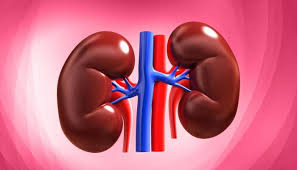
Kidneys are two bean-shaped organs, each about the size of a fist. They are located under the ribs on either side of the spine.
Healthy kidneys filter half a cup of blood every minute, removing waste and excess water to make urine. Urine flows from the kidneys to the bladder through two thin muscular tubes called the ureters, located on either side of the bladder. The bladder stores urine. The kidneys, ureters, and bladder are part of the urinary tract.
How do the kidneys work?
Each kidney is made up of about a million filtering units called nephrons. Each nephron consists of a glomerulus and a tubule and includes filtration. Nephrons work through a two-step process: the glomerulus filters your blood, and the tubule returns nutrients to your blood and removes waste.
Glomerula Filters Your Blood
As blood flows into each nephron, it enters a cluster of tiny blood vessels called glomeruli. The thin walls of the glomerulus allow smaller molecules, wastes, and fluid—mainly water—to pass into the tube. Larger molecules, such as proteins and blood cells, remain in the blood vessel.
The tube returns nutrients to your blood and removes waste products
A blood vessel travels along with the tube. As the filtered fluid moves through the tubule, the blood vessel reabsorbs almost all of the water, as well as the minerals and nutrients your body needs. The tubule helps remove excess acid from the blood. The remaining fluid and waste in the tubes becomes urine.