Blog
News and Articles
Latest medical news, useful tips and glimpses from our center's life.
Article
21 Jan, 2026
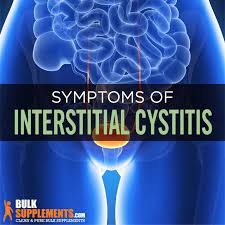
WHAT IS INTERSTITIAL CYSTITIS, ALSO KNOWN AS BLADDER PAIN SYNDROME?
Interstitial cystitis (IS) / bladder pain syndrome (BPS) is a chronic bladder health problem. This is a feeling of pain and pressure in the bladder area. Along with this pain, there are lower urinary tract symptoms that last more than 6 weeks without infection or other obvious cause.SYMPTOMS:For some, the symptoms of IS/QOS come and go and can vary in severity. For others, they continue. Some people with IS/COS also have irritable bowel syndrome, fibromyalgia, and other problems. Symptoms can make everyday life very difficult. These are the most common symptoms:PainPain (often with pressure) may be constant or may come and go. Pain may increase as the bladder fills. Some patients also experience discomfort in other areas, such as the urethra, lower abdomen, or lower back. Women may feel pain in the vulva or vagina. Men may feel pain in the scrotum, testicles, penis, or rectum. Both women and men with IS/QOS may experience sexual problems. For women, sex is painful because the bladder is located in front of the vagina. A day after orgasm, a man may experience pain.UltracityIS/QOS sometimes starts with urinary urgency. The average person urinates seven times a day. Frequent - needing to urinate more frequently throughout the day and night than the average person.UrgencySome IS/COS patients have a constant urge to urinate after urinating. The patient may not perceive it as a problem because it develops gradually. In other cases, the sense of urgency is more dramatic, with symptoms appearing within days. It is unusual to experience urinary leakage with IS/COS. If you have leaking urine, it could be a sign of another problem.IS/QOS can affect your lifeIS/QOS symptoms can interfere with your social life, work life, exercise and sleep. IS/QOS can affect your relationships with your spouse, family, and friends. Without treatment, walking with IS/QOS symptoms can make it difficult to get through the day. It's hard to feel comfortable. One of the symptoms of IS/QOS is that too little sleep can leave you feeling tired and miserable. Eating can be a problem for some people with IS/QOS. Sometimes symptoms worsen after eating. You may also avoid intimacy because of the pain you may experience during or after sex. Overall, this condition can cause a lot of distress.There is no evidence that stress causes IS/QOS. However, it is well known that physical or mental stress can make IS/QOS symptoms worse.CAUSESExperts do not know exactly what causes IS/QOS. Some possible causes may include:A defect in the bladder tissue.This defect may cause substances in the urine to weaken the tissue or cause ulcers (open ulcers). If so, this cell causes an allergic reaction that can lead to IS/COS symptoms.Changes occur in the nerves that carry sensations to the bladder. This pain can cause pain that is not like normal pain.The body's immune system attacks the bladder. This is similar to other autoimmune conditions.Having a family member with this condition can increase your chances of developing it. Some people may be more likely to experience IS/QOS after an injury to the bladder, such as an infection.DiagnosisUnfortunately, there is no medical test that can tell if a person has IS/QOS. To make a diagnosis, your doctor will decide whether your symptoms are typical of IS/COS. At diagnosis, IS/COS is usually two to three times more common in women than in men. Data have shown that the risk of IS/QOS increases with age. In men, IS/COS is often mistaken for another condition such as chronic prostatitis or chronic pelvic pain syndrome.
Read more
Article
21 Jan, 2026
HOW IMPORTANT IS ARTIFICIAL INTELLIGENCE FOR ENDOSCOPIC STONE SURGERY?
SUN"IY INTELLEKTNING JARROHLIKKA TA'SIRI https://yangi-zamon.uz/blog/suniy-intellektning-jarrohlikka-tasiri/SUN'IY INTELLEKT BILAN BOG'LIQ MUAMMOLAR VA QIYINCHILIKLAR VA ENDOSKOPIK TOSH JARROHLIGIDA SI NING KELAJAGI https://yangi-zamon.uz/blog/suniy-intellekt-bilan-bogliq-muammolar-va-qiyinchiliklar-va-endoskopik-tosh-jarrohligida-si-ning-kelajagi/ AbstraktTexnologiya so'nggi o'n yilliklarda endourologiyaning evolyutsiyasiga turtki bo'ldi. Endoskopik tosh jarrohligi diagnostikani yaxshilash, o'qitish va operatsiyadan keyingi parvarishni yaxshilash uchun sun'iy intellektning integratsiyasidan katta foyda keltirishi mumkin. Biroq, ushbu sharoitda sun'iy intellektning to'liq salohiyatini ro'yobga chiqarish uchun axloqiy, mavjudlik va xarajat muammolarini hal qilish kerak.Bemor haqida xulosaBizning mini-sharhimiz siydik yo'llarida toshlar uchun teleskopik jarrohlik uchun sun'iy intellektning (AI) joriy va kelajakdagi qo'llanilishini tavsiflaydi. Ehtimol, sun'iy intellektga asoslangan qurilmalar diagnostikadan tortib to jarrohlik amaliyotigacha qo'llaniladi, ammo AIni klinik amaliyotda keng qo'llashdan oldin axloqiy masalalarni aniq belgilash kerak.Urologiya so'nggi bir necha o'n yilliklarda texnologik inqilobga guvoh bo'ldi, sun'iy intellekt (AI) bemorlarni parvarish qilish va jarrohlik aniqligini qayta shakllantirishda markaziy o'rinni egalladi. Ko'p sun'iy intellekt ilovalari orasida endoskopik tosh jarrohligi teri orqali nefrolitotomiya (PCNL) va ureteroskopiya kabi minimal invaziv muolajalar uchun landshaftni qayta shakllantirish uchun AI integratsiyasidan katta foyda keltirishi mumkin . Tashxisni takomillashtirishdan tortib, trening va operatsiyadan keyingi parvarishni yaxshilashgacha, AIdan urolitiyozda muhim muammolarni hal qilish va eng yaxshi amaliyotlarni qayta aniqlash uchun foydalanish mumkin .Yuqori diagnostikaAn'anaviy diagnostika usullari inson xatosi va o'zgaruvchanligiga moyil. Biroq, mashinani o'rganish (ML) algoritmlari yuqori sezuvchanlik va o'ziga xoslik bilan siydik toshlarini aniqlash uchun ajoyib imkoniyatlarni ko'rsatdi. Konvolyutsion neyron tarmoqlardan foydalangan holda olib borilgan tadqiqotlar kompyuter tomografiyasi tasvirlarida buyrak toshlarini aniqlash uchun >90% aniqligini ko'rsatdi. AI vositalaridan tosh tarkibini tahlil qilish va oldindan taxmin qilish uchun ham foydalanish mumkin, bu kutilgan davolanish muvaffaqiyatiga ko'ra bemorlar uchun individuallashtirilgan rejalarni tuzishda muhim omil . Ko'pincha sun'iy intellektni o'z ichiga olgan tasvirni tahlil qilishning ilg'or usuli bo'lgan radiomika tibbiy tasvirlardan miqdoriy ma'lumotlarni chiqaradi va tosh tarkibi, zichligi va potentsial parchalanish harakati kabi xususiyatlar haqida tushuncha beradi. Ushbu ma'lumotlar raqamli egizaklar orqali bemorlarning tarixi bilan birlashtirilishi mumkin, bu operatsiyadan oldingi aniq baholash imkonini beradi va klinisyenlarga davolash strategiyasini moslashtirishda yordam beradi. Shu tarzda, AI klinik kuzatuvlar va amalda ko‘rsatilishi mumkin bo‘lgan tushunchalar o‘rtasidagi bo‘shliqni yo‘q qiladi.Jarrohlik rejalashtirish va bemorga moslashtirilgan rejalarPCNL kabi murakkab protseduralar operatsiyadan oldingi rejalashtirishga bog'liq. AI bu jarayonda jarrohlik strategiyalarini boshqarish uchun bemorga xos ma'lumotlarni, jumladan tasvirlash natijalari va anatomik modellarni sintez qilish orqali yordam berishi mumkin. Misol uchun, ML modellari >95% aniqlik bilan toshning to'liq tozalanishiga erishish ehtimolini muvaffaqiyatli bashorat qild. Virtual haqiqat (VR) va uch o'lchovli (3D) bosilgan anatomik simulyatorlar bemorga xos protseduralar uchun bebaho vosita sifatida paydo bo'ldi. Bu innovatsiyalar jarrohlarga nazorat ostidagi muhitda murakkab manevrlarni amalga oshirish imkonini beradi, bu esa intraoperativ oʻzgaruvchanlikni minimallashtirish va umumiy natijalarni yaxshilash imkonini beradi .Jarrohlik muolajalarini osonlashtirishOperatsiya xonasida SI ning ta'siri tobora aniq bo'lmoqda. Sun'iy intellekt yordamida boshqariladigan robot tizimlari jarrohlarga juda aniq muolajalarni amalga oshirish imkonini beradi. Masalan, PCNL-da avtomatlashtirilgan igna nishoni buyraklarga kirishning aniqligini oshiradi, bu eng qiyin va xatoga yo'l qo'yadigan qadamlardan biridir. Tasvirlash maʼlumotlarini real vaqt rejimida birlashtirib, sunʼiy intellekt oʻta aniq teshiklarni amalga oshirish imkonini beradi, shu bilan birga qon tomirlari va qoʻshni organlar kabi atrofdagi tuzilmalar uchun xavfni kamaytiradi . Bundan tashqari, toshning parchalanishi va olinishi bo'yicha real vaqt rejimida fikr-mulohazalarni taqdim etish orqali SI toshning to'liq tozalanishini ta'minlaydi va shu bilan qoldiq bo'laklari va keyingi asoratlar xavfini kamaytiradi. Sun'iy intellektga asoslangan qurilmalar operatsiya ichidagi o'zgarishlarga ham moslasha oladi va jarrohlarga dinamik yo'l-yo'riq va yordam taklif qiladi.Aniqlikdan tashqari, sun'iy intellektga asoslangan robototexnika masofaviy operatsiyalar va murabbiylikni osonlashtiradi, geografik to'siqlarni yo'q qiladi va mutaxassislarga murakkab holatlarda kamroq tajribali jarrohlarga rahbarlik qilish imkonini beradi. Bu masofaviy yordam, ayniqsa, ixtisoslashtirilgan tibbiy yordamdan foydalanish imkoniyati cheklangan hududlarda qimmatli bo‘lishi mumkin.
Read more

Article
21 Jan, 2026
IMPACT OF ARTIFICIAL INTELLIGENCE ON SURGERY
HOW IMPORTANT IS ARTIFICIAL INTELLIGENCE FOR ENDOSCOPIC STONE SURGERY? https://yangi-zamon.uz/blog/endoskopik-tosh-jarrohligi-uchun-suniy-intelekt-kanchalar-ahamiyatli/Revolution in surgical educationSimulation-based teaching surgery became the basis of education. Artificial intelligence helps create flexible learning environments where learners receive personalized feedback on their performance. High-definition VR platforms can dynamically adjust the level of difficulty to ensure that trainees are constantly challenged, avoiding excessive stress. These innovations can not only accelerate the learning curve, but also standardize training protocols to ensure consistency in training. In addition, simulators are increasingly used to compare the performance of different surgical instruments (eg, laser fibers and retrieval baskets) in a safe environment. Thus, AI not only helps training, but also drives innovation.Post-operative monitoring and long-term careAI also plays an important role in post-operative care. Wearable devices and mobile health apps offer real-time monitoring of patient recovery. These AI tools can detect early signs of complications such as infections or residual fragments and take timely medical action. AI systems can also help prevent recurrences by making tailored recommendations for dietary and lifestyle changes that can significantly improve long-term patient outcomes. In addition, AI chatbots and virtual assistants will serve as a convenient source of information to answer patient questions about post-operative care and ensure adherence to prescribed regimens. This digital support increases patient engagement and reduces the burden on healthcare providers.
Read more
Article
21 Jan, 2026
DIET FOR URINARY STONE DISEASE
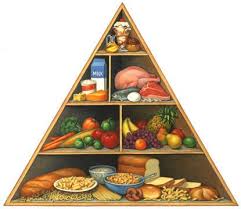
There is no magic diet that will prevent the formation of stones 100%. But improper nutrition can contribute to the formation of stones.There are general recommendations for nutrition: ❇ Normalize weight;❇ High intake of calcium (from dairy products);❇ Plenty of fluids drink;❇ Fruits and vegetables;❇ Lots of fiber, grains.❇ Moderate salt intake❇ Only avoid foods with extremely high oxalate content (tail, rhubarb, spinach, dark chocolate, nuts);❇ "Normal" protein intake. You don't have to be a "meat eater", but you don't have to give up meat either;Many patients want to get a "forbidden food list" from their doctor, but remember that the "diet for urolithiasis" is not "what I can't eat" is absorption.Controls: 1. Daily urine analysis (we look at the amount of urine, sodium, oxalate, calcium) 2. Libra.Interesting facts: ☑ Coffee reduces stone formation. ☑ Moderate alcohol does not increase stone formation.However, in people who abuse alcohol, changes occur in the liver, which causes an increase in uric acid and oxalates.Beer temporarily increases uric acid levels and triggers gout attacks.
Read more
Article
21 Jan, 2026
EVALUATION OF PROSTATE CANCER DIAGNOSIS
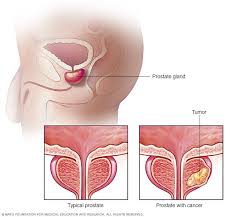
1. Screening and individualized early detectionDiagnostic pathway for PROSTATE TUMOR is important for timely detection of PO, balances diagnostic accuracy with burden on the individual and healthcare provider. Patient-specific factors such as lower urinary tract symptoms, family history, age, and comorbidities should always be considered.Men may enter the diagnostic pathway by various indicators, including clinical symptoms, individual early detection , or screening (population-based). The spread of PO' and significant PO' depends on the indicator, leading to different profitability of the next diagnostic path.1.1. Prostatitis-specific antigen (PA)Prostatitis-specific antigen test will be a part of it regardless of which way the patient goes to PO' diagnosis. 1.2. Clinical signsSymptoms usually appear late in the natural history of a prostatitis tumor and therefore localized PO' is usually asymptomatic. Local development may cause symptoms such as PSYB(lower urinary tract symptoms), erectile dysfunction (ED), seizures, pain, hematospermia or hematuria. Bone metastases can cause pain or spinal cord compression. Digital rectal examination (RRT) and PA are usually part of the initial diagnostic work-up in such cases, after which the further diagnostic algorithm can be initiated. Definite diagnosis usually depends on histopathological examination of prostate biopsy cores. However, men with high suspicion of malignancy (e.g. poor prostate sensation, PA > 100 ng/ml and positive bone scan) may avoid biopsy, especially if pre-existing co-morbidities preclude secondary treatment. As a major risk factor for PO', there is very little time to start a diagnostic evaluation. The risk of clinically significant PO' before age 50 is recommended for men with a family history of PO' and 40 years for men with possible BRCA2 mutations the risk of detecting clinically insignificant cancers leading to treatment should be discussed.The individual benefit or harm due to early detection for men is difficult to accurately estimate, but the effect may be greater because screening trials do not use the dilutive effect of intention-to-treat analysis. The age at which early detection attempts should be stopped remains controversial, but given human life expectancy Asymptomatic men with an average life expectancy of less than fifteen years are unlikely to benefit from early diagnosis of prostate cancer and are at high risk of being overdiagnosed with benign prostatic hyperplasia (BPH). Men with a life expectancy of less than 10-15 years should not have a PA test unless they have symptoms or clinical signs of prostate cancer.
Read more
Article
21 Jan, 2026
SALTS IN URINE
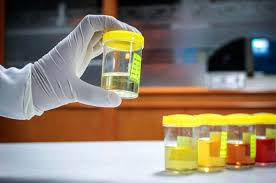
Salts in urineThere is a "salts" section in the general urinalysis form.There are different types of salts: "oxalates", "urates", "phosphates", "cystine" ...The amount of salts is expressed by their excess, for example "urates", "urates"The presence of salts in a general urine test is especially important for parents of small children It is scary. The presence of salts in the general analysis of urine means that crystallization has occurred before the urine reaches the laboratory specialist's table.Reasons:1⃣ It takes a long time before the urine reaches the laboratory, and during this time crystallization has occurred.There are a lot of salts in the urine of all people (about 10 grams per liter). Over time, a urine sample, even with a normal amount of salts, begins to crystallize.This is the most common option for the appearance of "salts" in the analysis.2⃣ Salts are high.3⃣ There is a shortage of substances that prevent crystallization.4⃣ Other properties of urine (acidity) contribute to crystallization.To confirm or exclude items 2 and 3, daily urine is "stoned". for the reasons of its formation, a biochemical analysis is necessary.For this, you will need to collect urine for 24 hours.The analysis is carried out in all network laboratories, but it is called differently. You can find it by keywords "citrate urine".
Read more
Article
21 Jan, 2026
WHAT IS LAPAROSCOPY? LAPAROSCOPIC OPERATIONS IN UROLOGY.
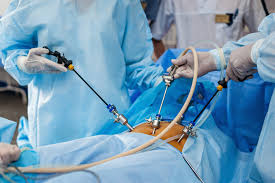
Laparoscopic operation is a modern, minimally invasive (that is, without a large incision) surgical method. In it, the doctor in the patient's abdomen or the organs in the pelvic region using a special instrument called a laparoscope and performs the operation.🔍 How is laparoscopy performed?A small incision (usually 0.5–1 cm) is made in the abdomen. the doctor sees the internal organs through the monitor. Necessary surgical instruments is inserted through another small incision.When the operation is finished, the gas is released and the incisions are sutured.📌 What conditions are used?Gall bladder removal (cholecystectomy)Appendix removalOvarian cystUterus or ovary removal Endometriosis, infertility testsUrological diseases ✅ Advantages:Small incision - less blood lossQuicker recovery (usually 2-7 days)Less painHardly left a scarHospital stay duration is shortLaparoscopic operations in urology - this is a method of treatment of diseases related to the urinary tract and genitals through small incisions using a laparoscope. This method causes less pain, faster recovery, and less scarring compared to traditional surgery.🔬 The most common laparoscopic operations in urology:Nephrectomy - kidney removal. Complete (total)Partial (only tumor or damaged part)Pyeloplasty - kidney and urine the narrowed area between the path (ureter) (for example, in the narrowing of the ureteropelvic joint).Ureterolithotomy - removal of a large stone stuck in the urinary tract.Varicocelectomy - treatment of the enlargement of veins around the testicle (varicocele).Orchiectomy - removal of the testicle (in tumors or trauma).Prostatectomy – removal of the prostate (usually in case of cancer).Removal of kidney cysts – kidney cysts are cut out through a laparoscope. ✅ Advantages:Less blood lossLess painQuick recovery (you can go home in 2-5 days)Esthetic scar (a small scar remains)Less risk of infection ⚠️ Note:Laparoscopic surgery is not always possible. For example, open surgery is recommended for patients with very large tumors, previous major surgeries, or certain cardiovascular problems.
Read more
Article
21 Jan, 2026
ENDOUROLOGICAL SURGICAL PROCEDURE
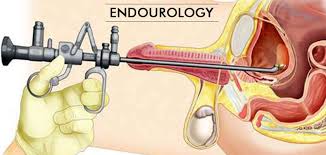
Endourological surgery is a type of modern urological surgery in which diseases of the urinary tract and kidney system are performed internally, that is, without making a cut (open operation) in the body, using special devices (endoscopes).🔍 Basic concept:Endourology is a branch of urology, which deals with urinary tract, prostate learns how to treat gland, urinary bladder and kidney diseases in a less invasive (i.e. less traumatic) way. through).Anesthesia: It is often performed under general or regional anesthesia.With the help of cameras and instruments, the internal structures are seen and the necessary operations are performed. Types of endourological operations:URS (Ureterorenoscopy) Removal of stones from the urinary tract or kidneysTURP (Transurethral Prostate resection) Removal of an enlarged part of the prostate glandTURBT (Transurethral bladder tumor removal) Removal of bladder tumorsPCNL (Percutaneous nephrolithotomy) Removal of large kidney stones through a small hole in the backStent placement (Double-J stent) A special tube to keep the urinary tract open placement ✅ Advantages:Performed from the inside without cuttingRehabilitation period is shortLess blood lossThere is less painIn most cases, you go home the next day ⚠️ Disadvantages or risks:Risk of infectionUrinary tract spasm or compressionIn rare cases bleeding
Read more